Which Human Foods Are Safe for Dogs?
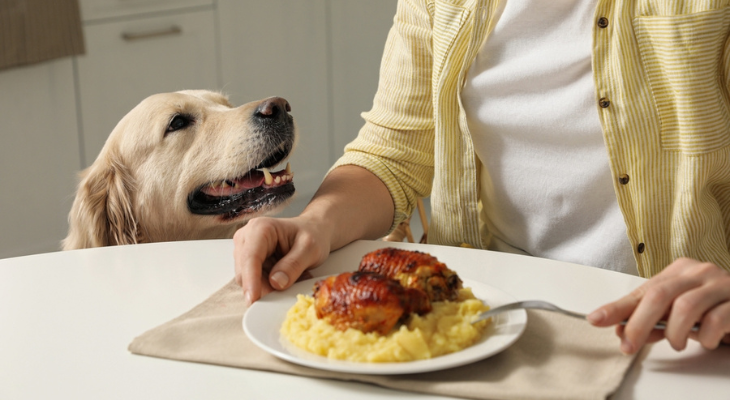
Dog food provides all the nutrients your furry friend needs for good health, but that doesn't mean your pet can't enjoy a taste of some of your favorite foods from time to time. Confused about which foods are safe for dogs? Take a look at our list of people food you can share with your pet.
Meat, Poultry, and Fish
Meat, poultry, and fish, the staples of many human diets, also appeal to dogs. Beef, liver, lamb, chicken, turkey, shrimp, and fish are high in protein, which your dog needs for a sleek coat, healthy weight, and strong muscles and immune system. Although these foods are good for your dog, offer small samples to prevent weight gain or gastrointestinal issues. Serve these foods after cooking to prevent bacterial or salmonella infections.
Remove any bones, particularly when offering poultry or fish. Choking or damage to the mouth, throat, or digestive system lining can happen when cooked bones break or splinter. Cut off fat before offering your dog a taste of your meal. Eating fat can cause diarrhea or could increase your pet's risk of obesity or pancreatitis.
Seasonings might make your food taste better, but highly seasoned food can sicken your dog or cause gastrointestinal issues. If you plan to give your pet a taste of meat, poultry, fish, or seafood, omit the seasoning from a small area when cooking or wash off seasonings after cooking if possible.
Make sure dishes don't contain onions, garlic, shallots, chives, or leaks. These ingredients can be toxic to dogs and may cause a dangerous condition called hemolytic anemia. Onion and garlic powders are even stronger than fresh onions and garlic, according to the American Kennel Club (AKC), and should be avoided.
Unfortunately, some dogs are allergic to meat, poultry, or fish. Symptoms of food allergies include vomiting, diarrhea, gas, itchy skin, hives, or swelling in the eyelids, lips, or ears.
Vegetables
Want to share your love of vegetables with your pet? Some dogs love them, while others turn their noses up at veggies. These vegetables are safe for your pet:
- Bell Peppers
- Broccoli
- Brussels Sprouts
- Cabbage
- Cauliflower
- Celery (with strings removed)
- Carrots (cooked)
- Corn
- Green Beans (cooked)
- Peas (cooked)
- Potatoes (plain, skinless, roasted)
- Spinach (cooked, in small amounts. Large amounts can cause kidney or bladder stones or irritate your dog's stomach.)
- Sweet Potatoes (plain, skinless, cooked)
- Zucchini
PetMD notes that broccoli, peas, cauliflower, Brussels sprouts, and cabbage can cause excess gas and bloating. If that's the case for your pet, only offer small amounts of these vegetables or don't feed them to your dog at all.
Fruit
Your dog may enjoy some of the same fruits you do, including:
- Apples
- Bananas
- Berries
- Cantaloupes
- Kiwis
- Mangoes
- Oranges
- Peaches
- Pears
- Pineapples
- Pumpkin (cooked)
- Watermelon
Peel oranges, cut off watermelon and pineapple rinds, and remove seeds and pits before offering fruit to your dog.
Eggs and Dairy
A hardboiled egg (without the shell) or a scrambled egg make tasty snacks for your pet. Eggs contain protein, selenium, riboflavin, and vitamin D, nutrients that enhance your dog's health. An occasional sip of milk is fine for many dogs, although some are lactose intolerant. If your dog can't digest lactose, it may experience stomach pain, vomiting, diarrhea, bloating, gas, or lack of appetite due to nausea.
Dogs can also eat plain yogurt, although pets with lactose intolerance will also want to avoid this food. Small amounts of cheese makes a good occasional treat if your dog isn't lactose intolerant. The AKC recommends offering mozzarella and cottage cheeses or other lower-fat cheeses.
Other Foods
Your dog can also safely eat bread, unsalted cashews and peanuts, unsalted peanut butter, honey, rice, quinoa, and unsalted, unbuttered popcorn.
Do you have a concern about your dog's diet? Let us know how we can help! Get in touch with our office to ask a question or schedule an appointment.
Sources:
American Kennel Club: People Foods Dogs Can and Can’t Eat, 3/14/2024
https://www.akc.org/expert-advice/nutrition/human-foods-dogs-can-and-cant-eat/
PetMD: What Vegetables Can Dogs Eat, 11/17/2022
https://www.petmd.com/dog/nutrition/what-vegetables-can-dogs-eat
Forbes: What Fruits Can Dogs eat (And Which Are Bad for Them), 4/3/23
https://www.forbes.com/advisor/pet-insurance/pet-care/fruits-dogs-can-eat/
ASPCA: Sharing is Caring: Foods You Can Safely Share with Your Pet, 1/28/2021
https://www.aspca.org/news/sharing-caring-foods-you-can-safely-share-your-pet