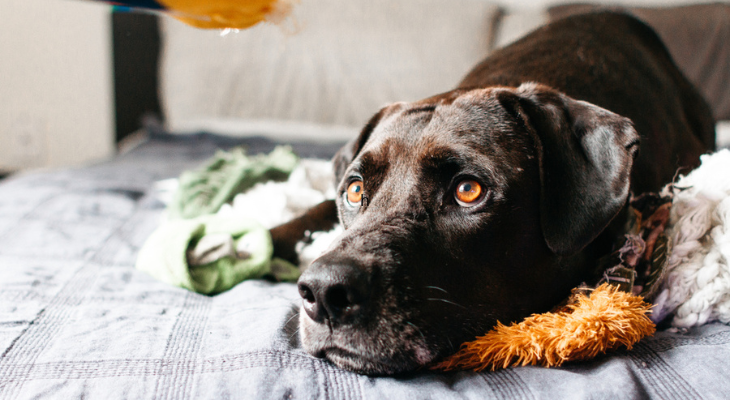
How Your Veterinarian Can Help with Pet Separation Anxiety
Everyone suffers when your pet can't bear to be away from you. Your furry friend spends anxious hours wondering if you'll ever return. When the anxiety becomes overwhelming, shredding the couch cushions or chewing the window sill helps relieve the feelings. You, of course, spend your hours away from home worrying about your pet and obsessing about the destruction that awaits you back at home. Luckily, your veterinarian can help you find a solution to the problem, whether separation anxiety is a new behavioral issue or a long-established one.
Does Your Pet Have Separation Anxiety?
Separation is one of the most common causes of pet anxiety, ranking just below strangers and loud noises in a Green Element study. Pets become closely bonded with the humans in their families and enjoy spending time with them. Although most cats and dogs eventually adjust when left alone during the day, others experience severe anxiety if they're alone, even if other pets are with them.
According to Today's Veterinary Practice, separation anxiety most often affects young to middle-adult animals. Transitioning to a new home after spending time in an animal shelter or rescue group can trigger separation anxiety. Pets that previously had no problem being alone may suddenly develop anxiety after a significant change in your home. Your pet could develop separation anxiety if you return to the office after working from home for a few years, a family member dies or leaves home, or your pet spends time in a boarding facility when you're away.
Signs of separation anxiety may include:
- Vocalization. Your pet probably isn't shy about letting you know that it's unhappy when you leave. Barking, meowing, and howling before and after you leave can be signs of separation anxiety. Do your neighbors complain that your dog doesn't stop barking when you're gone? Separation anxiety may be to blame.
- Behavior Changes. "Calm" isn't a word usually used to describe pets with separation anxiety. In fact, anxious pets find it hard to relax and may whine, drool, seem jumpy, or pace back and forth across the living room when you're getting ready for work.
- Accidents and Destruction. Your pet isn't trying to exact revenge when it destroys your belongings. The behavior is the way your pet expresses its fears. Anxious pets may also urinate and defecate inside, even if they're housetrained or have litter boxes.
- Escape Behaviors. When being alone causes anxiety, it makes sense to try to get away from the house. The hole in your backyard or the chewed window or door trim could be your pet's attempt to escape a stressful situation.
What Your Veterinarian Can Do to Help Your Pet
A visit to the veterinarian is a must if your pet is displaying signs of separation anxiety. During the visit, your pet's doctor will:
- Examine Your Furry Friend. Changes in behavior can sometimes be caused or worsened by health issues. A thorough exam will help your pet's veterinarian diagnose illnesses or diseases that could cause anxiety and recommend treatments.
- Offer Suggestions. Veterinarians often treat animals with separation anxiety and can provide a few recommendations that may help ease stress, such as desensitization techniques that gradually increase the amount of time your companion spends alone. Offering intriguing toys or other activities or setting up visits from a pet sitter can help your pet feel more secure and reduce boredom.
- Provide a Referral. If separation anxiety symptoms are severe, your pet's veterinarian can make a referral to an animal behaviorist. Behaviorists treat a variety of behavioral problems, including anxiety.
- Prescribe Medication. Anti-anxiety medication may be a good option if your pet has severe separation anxiety that hasn't improved after trying other strategies. Medication can also be helpful when used in conjunction with other treatments and strategies for separation anxiety.
Are you concerned about your pet's separation anxiety? Give our office a call to schedule a visit with the veterinarian.
Sources:
Green Element: Study: Prevalence of Pet Anxiety in the US
https://greenelementcbd.com/pages/pet-anxiety-2022
Today’s Veterinary Practice: Canine Separation Anxiety, 11/12/2012
https://todaysveterinarypractice.com/behavior/on-your-best-behavior-canine-separation-anxiety
ASPCA: Separation Anxiety
https://www.aspca.org/pet-care/dog-care/common-dog-behavior-issues/separation-anxiety
The Ohio State University College of Veterinary Medicine: Separation Anxiety
https://indoorpet.osu.edu/cats/problemsolving/separation-anxiety