Would you like to switch to the accessible version of this site?

Go to accessible site Close modal window

Don't need the accessible version of this site?

Hide the accessibility button Close modal window
Accessibility View Close toolbar

Town and Country Animal Clinic

1241 South Houston Lake Road; Warner Robins, GA 31088

Call

(478) 953-7297

[email protected]

Open mobile navigation
  • Home
  • About Us
    • Our Doctors
    • Our Staff
    • Clinic Tour
  • Patient Center
    • Online Pharmacy
    • Forms
    • Payment Options
  • Services
  • Patient Portal
  • Veterinary Topics
  • Links
  • Contact Us
  • Employment
  • Home >
  • Articles >
  • Choosing Your Pet >
  • Exotics >
  • Amphibians >
  • Frogs & Toads

Frogs & Toads

  • Created in Choosing Your Pet, Exotics, Amphibians, Choosing Your Pet, Exotics

frog

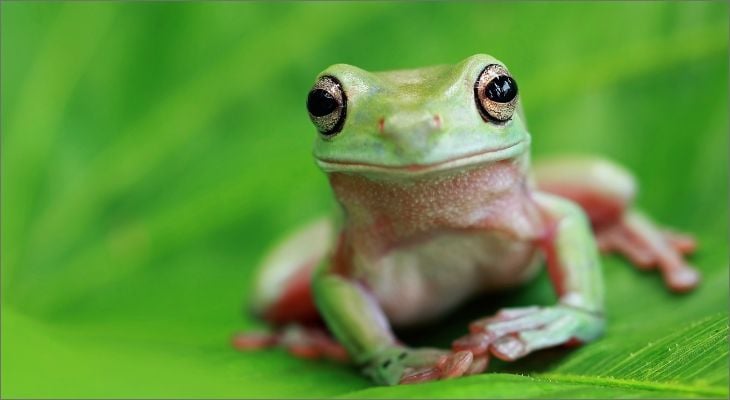
If you want an interesting change of pace or simply don't have the right environment for a dog or cat, a frog or toad might make the perfect companion for you. First, however, you need to acquaint yourself with these fascinating creatures and their requirements.

Frogs Versus Toads: What's the Difference?

Toads technically count as a type of frog. However, these creatures still have some noteworthy differences. The most important difference is the fact that toads always have some degree of toxin in their skin, which means that owners need to wash their hands thoroughly after handling them. Toads' skin also feels and looks rough, dry, and bumpy, while frogs have smooth, moist skin.

Frogs also display more mobility than toads, if only because their longer, more powerful legs allow them to jump away from perceived threats or toward prey. By contrast, toads are more likely to sit still for extended periods.

What You Should Know Before Taking the Leap

You have to think about the specific conditions your frog or toad may require as you make your selection. Most toads require a terrarium that includes a certain amount of damp soil and a humidity level of 60 percent (which can be achieved through regular misting). Terrestrial frogs need a terrarium, while aquatic frogs require an aquarium. Some species may need a combination of both.

If possible, schedule a veterinary wellness exam before adopting your frog or toad. For example, sick frogs may show signs of a problem known as short tongue syndrome, while sick toads may display breathing problems, lethargy, cloud eyes, and other symptoms.

The Best Species for Beginners

Terrestrial frogs and toads are the easiest ones to accommodate in terms of environment. The Pacman frog makes few demands for beginners, although their cannibalistic nature means that you can't keep two of them together. Among toads, the three species of American toad (Hudson Bay toad, Dwarf American toad, and Eastern American toad) make ideal first-time pets.

General Care Tips

Most frogs and toads thrive in a narrow temperature range, usually between the mid-70s and low 80s Fahrenheit. As meat-eaters, these animals can get their nutrition by dining on insects and worms; the largest ones may eat small mice. Depending on your vet's recommendations, you may need to feed your pet only two or three times a week.

  • Pet Health
    • Chronic Conditions
    • Digestive and Oral Health
    • Diseases and Viruses
    • Pests and Parasites
    • Orthopedics
  • Today's Veterinarian
  • Choosing Your Pet
    • Finding Your Pet
    • Cats
    • Dogs
    • Exotics
      • Amphibians
      • Birds
      • Reptiles
        • Lizards
        • Turtles
    • Small Mammals
      • Ferrets
      • Rabbits
      • Domesticated Animals
        • Prairie Dogs
      • Pocket Pets
        • Chinchillas
        • Guinea Pigs
        • Hamsters
        • Hedgehogs
        • Rats
    • Livestock
      • Cows
      • Donkeys, Horses & Mules
      • Goats
      • Pigs
      • Poultry
      • Sheep
  • Living With Your Pet
    • Bringing Your Pet Home
    • Children and Pets
    • Providing Care
    • Travel
    • Saying Goodbye
  • Newsletter Library
    • Cats
    • Tips for Pet Owners
    • Behavior & Training
    • Fleas & Parasites
    • Keeping Pets Healthy
    • Recognizing Illness
    • Nutrition & Food
    • Pet Dangers
    • Seasonal Topics
    • Visiting the Vet
    • Equine
    • Newsletter Archive
      • Fun with Pets
      • Unbelievable Pets
  • Video Newsroom
    • Health Topics
    • Technology and Science
    • Other Interests
  • Newsletter Library
  • Client Survey
  • Pets4Kids

Contact Us

We look forward to hearing from you

Error!

    Featured Services

    • Contact Us

      Call or send us an email today! Our staff will respond as soon as possible.

      Contact
    • Online Pharmacy

      Visit our online pharmacy. Trust, convenience, and value!

      Learn More

    Office Hours

    Our Regular Schedule

    Monday:

    8:30 am-5:30 pm

    Tuesday:

    8:30 am-5:30 pm

    Wednesday:

    8:30 am-5:30 pm

    Thursday:

    8:30 am-5:30 pm

    Friday:

    8:30 am-5:30 pm

    Saturday:

    8:30 am-12:30 pm

    No Doctor's Hours on Saturdays

    Sunday:

    Closed

    Location

    We are centrally located between Feagin Mill Road and Hwy 96 on S. Houston Lake Road

    Testimonials

    Feedback from our clients

    • "Dr. Anderson has always gone above and beyond for the care of our family's pets for several years."
      John Doe / San Diego, CA
    • "Dr. Anderson has always gone above and beyond for the care of our family's pets for several years. We always feel questions are welcome, and Dr. Anderson spends whatever time is required to provide answers, whether we are in the office or just speaking on the telephone. Dr. Anderson always knows our pets’ special needs and personalities to provide them the best possible care."
      The Miller Family

    Featured Articles

    Helpful Reading

    • March Newsletter: How to Keep Your Cat Safe When Outdoors

      Wondering how your cat can safely spend time outdoors? ...

      Read More
    • March Newsletter: How to Choose Safe Blankets for Pets

      Do you know how to pick a safe blanket for your pet? ...

      Read More
    • February Newsletter: How to Reduce Dental Anxiety in Pets

      Does your pet hate toothbrushing? These tips could reduce dental anxiety. ...

      Read More

    Newsletter Sign Up

    Error!

      • Copyright © 2026 MH Sub I, LLC dba iMatrix.
      • Admin Log In
      • Site Map