Would you like to switch to the accessible version of this site?

Go to accessible site Close modal window

Don't need the accessible version of this site?

Hide the accessibility button Close modal window
Accessibility View Close toolbar

Town and Country Animal Clinic

1241 South Houston Lake Road; Warner Robins, GA 31088

Call

(478) 953-7297

[email protected]

Open mobile navigation
  • Home
  • About Us
    • Our Doctors
    • Our Staff
    • Clinic Tour
  • Patient Center
    • Online Pharmacy
    • Forms
    • Payment Options
  • Services
  • Patient Portal
  • Veterinary Topics
  • Links
  • Contact Us
  • Employment
  • Home >
  • Articles >
  • Choosing Your Pet >
  • Small Mammals >
  • Domesticated Animals >
  • Flying Squirrels

Flying Squirrels

  • Created in Choosing Your Pet, Small Mammals, Domesticated Animals, Flying Squirrels, Choosing Your Pet, Small Mammals, Domesticated Animals

flying squirrels

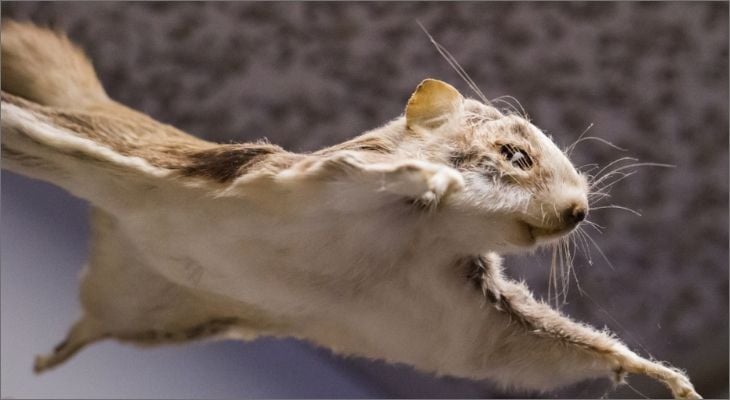
Much like sugar gliders, flying squirrels make affectionate pets when purchased young and raised by their owner. Unlike sugar gliders, however, flying squirrels are rodents that need veterinary care specific to the species. Your veterinary team can help with the care and treatment of flying squirrels.

Health

Flying squirrels like to leap, climb, and fly. This means they need tall enclosures that feature ropes, branches, and more to keep them emotionally happy and physically fit. You may want to invest in at least two flying squirrels because they're social animals who may become lonely and depressed when isolated.

Your veterinarian can help keep your flying squirrels healthy through regular check-ups, and you can help keep them happy by providing a suitable habitat inside your home. These pets are susceptible to calcium deficiency, so a calcium block will be needed in your enclosure.

Care

Flying squirrels are famous for bonding with their owners, and they'll happily spend hours in your pocket if you show them love and attention. Don't let them get lonely, and provide plenty of stimulation and a proper diet to keep them at their best.

Enclosures should measure at least 4- to 6-feet tall to allow plenty of room for flying squirrels to get the exercise and stimulation they need. They'll need lots of daily time with you, too, being cuddled and loved. Ensure your squirrels have access to cozy pouches inside their enclosures because these are their beds of choice.

Feeding

Flying squirrels in captivity eat a range of foods, including:

  • Birdseed
  • Mealworms
  • Waxworms
  • Nuts
  • Acorns
  • Sunflower seeds

Fresh vegetables and commercial hamster food will also keep your pet rodent happy and fit. Our veterinary team is happy to speak with you regarding the proper diet for flying squirrels.

Training

Squirrels are smart little creatures and can be trained to eat from your hand, come when you call them, and more. The most effective way to train a flying squirrel to perform simple tasks is to bond with them early on and spend lots of time rewarding them for good behavior. If you adopt your flying squirrel when he's young and raise him with love, there are few limits to what you can accomplish together. Your veterinarian can help you learn the ins and out of how to be the best owner of your flying squirrels.

  • Pet Health
    • Chronic Conditions
    • Digestive and Oral Health
    • Diseases and Viruses
    • Pests and Parasites
    • Orthopedics
  • Today's Veterinarian
  • Choosing Your Pet
    • Finding Your Pet
    • Cats
    • Dogs
    • Exotics
      • Amphibians
      • Birds
      • Reptiles
        • Lizards
        • Turtles
    • Small Mammals
      • Ferrets
      • Rabbits
      • Domesticated Animals
        • Prairie Dogs
      • Pocket Pets
        • Chinchillas
        • Guinea Pigs
        • Hamsters
        • Hedgehogs
        • Rats
    • Livestock
      • Cows
      • Donkeys, Horses & Mules
      • Goats
      • Pigs
      • Poultry
      • Sheep
  • Living With Your Pet
    • Bringing Your Pet Home
    • Children and Pets
    • Providing Care
    • Travel
    • Saying Goodbye
  • Newsletter Library
    • Cats
    • Tips for Pet Owners
    • Behavior & Training
    • Fleas & Parasites
    • Keeping Pets Healthy
    • Recognizing Illness
    • Nutrition & Food
    • Pet Dangers
    • Seasonal Topics
    • Visiting the Vet
    • Equine
    • Newsletter Archive
      • Fun with Pets
      • Unbelievable Pets
  • Video Newsroom
    • Health Topics
    • Technology and Science
    • Other Interests
  • Newsletter Library
  • Client Survey
  • Pets4Kids

Contact Us

We look forward to hearing from you

Error!

    Featured Services

    • Contact Us

      Call or send us an email today! Our staff will respond as soon as possible.

      Contact
    • Online Pharmacy

      Visit our online pharmacy. Trust, convenience, and value!

      Learn More

    Office Hours

    Our Regular Schedule

    Monday:

    8:30 am-5:30 pm

    Tuesday:

    8:30 am-5:30 pm

    Wednesday:

    8:30 am-5:30 pm

    Thursday:

    8:30 am-5:30 pm

    Friday:

    8:30 am-5:30 pm

    Saturday:

    8:30 am-12:30 pm

    No Doctor's Hours on Saturdays

    Sunday:

    Closed

    Location

    We are centrally located between Feagin Mill Road and Hwy 96 on S. Houston Lake Road

    Testimonials

    Feedback from our clients

    • "Dr. Anderson has always gone above and beyond for the care of our family's pets for several years."
      John Doe / San Diego, CA
    • "Dr. Anderson has always gone above and beyond for the care of our family's pets for several years. We always feel questions are welcome, and Dr. Anderson spends whatever time is required to provide answers, whether we are in the office or just speaking on the telephone. Dr. Anderson always knows our pets’ special needs and personalities to provide them the best possible care."
      The Miller Family

    Featured Articles

    Helpful Reading

    • March Newsletter: How to Keep Your Cat Safe When Outdoors

      Wondering how your cat can safely spend time outdoors? ...

      Read More
    • March Newsletter: How to Choose Safe Blankets for Pets

      Do you know how to pick a safe blanket for your pet? ...

      Read More
    • February Newsletter: How to Reduce Dental Anxiety in Pets

      Does your pet hate toothbrushing? These tips could reduce dental anxiety. ...

      Read More

    Newsletter Sign Up

    Error!

      • Copyright © 2026 MH Sub I, LLC dba iMatrix.
      • Admin Log In
      • Site Map