Would you like to switch to the accessible version of this site?

Go to accessible site Close modal window

Don't need the accessible version of this site?

Hide the accessibility button Close modal window
Accessibility View Close toolbar

Town and Country Animal Clinic

1241 South Houston Lake Road; Warner Robins, GA 31088

Call

(478) 953-7297

[email protected]

Open mobile navigation
  • Home
  • About Us
    • Our Doctors
    • Our Staff
    • Clinic Tour
  • Patient Center
    • Online Pharmacy
    • Forms
    • Payment Options
  • Services
  • Patient Portal
  • Veterinary Topics
  • Links
  • Contact Us
  • Employment
  • Home >
  • Articles >
  • Newsletter Library >
  • Pet Dangers >
  • Keep Your Pets Safe From Toxic Household Items

Keep Your Pets Safe From Toxic Household Items

  • Created in Newsletter Library, Pet Dangers

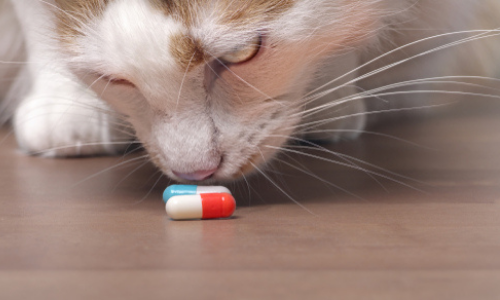
Cat sniffing prescription pills

Household Items That Are Toxic to Your Pet

Curious pets explore their environments by sniffing, licking, and tasting. Unfortunately, eating or licking cleaners, pills, plants, and other items may sicken animals. These common household items can cause illness or even death if your pet ingests or inhales them.

Cleaning Products

Swallowing or licking household cleaners can cause vomiting, trouble breathing or swallowing, or tissue damage. Pets can also become sick if they lick their fur or paws after walking through or coming in contact with a wet cleaning product. The Humane Society of the United States notes that cats are more vulnerable to poisoning from cleaning products because their bodies are smaller and don't handle toxins quite as well as dogs.

Strong fumes from chemical cleaners can cause respiratory problems in pets, particularly in birds.

Protect your pet's health by:

  • Following Package Instructions When Using Cleaners
  • Keeping Pet Away from Cleaners Until They Dry
  • Storing Products Out of the Reach of Pets or in Cabinets with Child-Proof Latches
  • Rinsing Sponges, Rags, Buckets, and Mops Immediately After You Use Them
  • Opening Windows Before Using Products with Strong Odors and Moving Pets to Another Area of Your Home While You Use These Items
  • Throwing Away Cleaning Wipes and Paper Towels Soaked with Cleaning Products Promptly
  • Closing Cleaning Product Lids and Cap Tightly
  • Disposing Cleaning Products and Wipes in a Trash Can with a Secure Lid

Over-the-Counter or Prescription Medication

Medications, even over-the-counter drugs, can cause serious side effects in pets. Some drugs may even cause liver or kidney failure. Every year, the ASPCA Poison Control Center releases a list of the top10 toxins reported to its helpline. In March 2020, they reported that over-the-counter medications were the top reason for pet owner calls. Prescription medications occupied the second spot, with antidepressants, attention-deficit/hyperactivity disorder (ADHD), cardiac, and thyroid medications high on the list.

Storing all medications out of your pet's reach will reduce the risk of accidental poisoning. It's a good idea to keep your pet's medication in a safe place too. If the medication is flavored, your pet may eat too much of it and overdose.

Foods

The foods you enjoy may not necessarily be safe for your pet. Foods that might cause toxic reactions include:

  • Chocolate
  • Onions
  • Garlic
  • Chives
  • Grapes
  • Raisins
  • Alcohol
  • Nuts (Macadamia nuts can be toxic, while pistachios and almonds pose choking hazards.)
  • Apple Seeds
  • Coffee, Tea, and Other Caffeinated Drinks
  • Doughs That Contain Yeast
  • Gum, Candy, and Other Foods Sweetened with Xylitol

Skincare Products

Skincare and grooming products may also include ingredients that are toxic to animals. Keep your pet safe by storing mouthwash, lotion, petroleum jelly, bar, and liquid soap, makeup, and other items in a place that is inaccessible to your pets.

Plants

Although poinsettias are only mildly toxic to pets, contrary to popular belief, plenty of other plants can make your pet very sick. The ASPCA notes that these plants are common culprits:

  • Tulips
  • Daffodils
  • Lily of the Valley
  • Oleander
  • Autumn Crocus
  • Dieffenbachia
  • Hyacinth
  • Azalea
  • Cyclamen
  • Lilies
  • Kalanchoe
  • Sago Palm

Home Improvement Products

Spackle may not look very appealing to you, but your pet may decide it's worth a taste. In addition to triggering vomiting, the product can clump together and form a blockage in your pet's digestive tract. Any product you buy at a hardware store may contain strong chemicals and other ingredients that are hazardous to your pet's health. As with other dangerous products, it's important to keep these items on a high shelf or another secure spot.

Other Products

Your pet may also become sick after ingesting essential oils, cigarettes, nicotine, and other types of medicated patches, insecticides, and garden products.

Following safe storage and disposal recommendations can help you avoid accidental poisonings. Call our office immediately if you're concerned that your pet may have come in contact with a toxic household product.

Sources:

The Humane Society of the United States: How to Keep Your Pets Safe Around Cleaning Products, 3/31/20

American Animal Hospital Association: What Are the Most Common Household Toxins for Pets?

ASPCA: Poisonous Household Products

ASPCA: Announcing: The Top 10 Pet Toxins!, 3/13/20

College of Veterinary Medicine, University of Illinois at Urbana-Champaign: Keep Teflon, Avocado, Lead and Zinc Away from Pet Birds, 5/7/18

  • Pet Health
    • Chronic Conditions
    • Digestive and Oral Health
    • Diseases and Viruses
    • Pests and Parasites
    • Orthopedics
  • Today's Veterinarian
  • Choosing Your Pet
    • Finding Your Pet
    • Cats
    • Dogs
    • Exotics
      • Amphibians
      • Birds
      • Reptiles
        • Lizards
        • Turtles
    • Small Mammals
      • Ferrets
      • Rabbits
      • Domesticated Animals
        • Prairie Dogs
      • Pocket Pets
        • Chinchillas
        • Guinea Pigs
        • Hamsters
        • Hedgehogs
        • Rats
    • Livestock
      • Cows
      • Donkeys, Horses & Mules
      • Goats
      • Pigs
      • Poultry
      • Sheep
  • Living With Your Pet
    • Bringing Your Pet Home
    • Children and Pets
    • Providing Care
    • Travel
    • Saying Goodbye
  • Newsletter Library
    • Cats
    • Tips for Pet Owners
    • Behavior & Training
    • Fleas & Parasites
    • Keeping Pets Healthy
    • Recognizing Illness
    • Nutrition & Food
    • Pet Dangers
    • Seasonal Topics
    • Visiting the Vet
    • Equine
    • Newsletter Archive
      • Fun with Pets
      • Unbelievable Pets
  • Video Newsroom
    • Health Topics
    • Technology and Science
    • Other Interests
  • Newsletter Library
  • Client Survey
  • Pets4Kids

Contact Us

We look forward to hearing from you

Error!

    Featured Services

    • Contact Us

      Call or send us an email today! Our staff will respond as soon as possible.

      Contact
    • Online Pharmacy

      Visit our online pharmacy. Trust, convenience, and value!

      Learn More

    Office Hours

    Our Regular Schedule

    Monday:

    8:30 am-5:30 pm

    Tuesday:

    8:30 am-5:30 pm

    Wednesday:

    8:30 am-5:30 pm

    Thursday:

    8:30 am-5:30 pm

    Friday:

    8:30 am-5:30 pm

    Saturday:

    8:30 am-12:30 pm

    No Doctor's Hours on Saturdays

    Sunday:

    Closed

    Location

    We are centrally located between Feagin Mill Road and Hwy 96 on S. Houston Lake Road

    Testimonials

    Feedback from our clients

    • "Dr. Anderson has always gone above and beyond for the care of our family's pets for several years."
      John Doe / San Diego, CA
    • "Dr. Anderson has always gone above and beyond for the care of our family's pets for several years. We always feel questions are welcome, and Dr. Anderson spends whatever time is required to provide answers, whether we are in the office or just speaking on the telephone. Dr. Anderson always knows our pets’ special needs and personalities to provide them the best possible care."
      The Miller Family

    Featured Articles

    Helpful Reading

    • March Newsletter: How to Keep Your Cat Safe When Outdoors

      Wondering how your cat can safely spend time outdoors? ...

      Read More
    • March Newsletter: How to Choose Safe Blankets for Pets

      Do you know how to pick a safe blanket for your pet? ...

      Read More
    • February Newsletter: How to Reduce Dental Anxiety in Pets

      Does your pet hate toothbrushing? These tips could reduce dental anxiety. ...

      Read More

    Newsletter Sign Up

    Error!

      • Copyright © 2026 MH Sub I, LLC dba iMatrix.
      • Admin Log In
      • Site Map