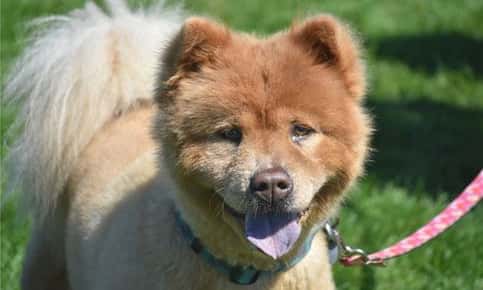
A summer haircut may help you feel more comfortable during hot, humid summer weather, but it won't have the same effect on your pet. In fact, cutting or shaving your pet's fur can actually compromise your furry friend's ability to remain cool.
Your Pet's Coat Provides Built-In Climate Control
Although wearing a fur coat in the summer might increase your risk of heat stroke, the same isn't true for your pets. Their coats actually provide a built-in heating and cooling system. During the winter, your dog or cat's fur offers warmth when it lays flat against the body. When temperatures soar, the individual hairs in your pet's coat stand upright, maximizing air flow.
Some breeds, such as Chow Chows, Alaskan Huskies, Sheepdogs, Golden and Labrador Retrievers, Scottish Terriers and Shih Tzus, have double coats that keep them comfortable whether it's warm or sunny or snowing and frigid outdoors. The undercoat, the layer of hair closest to the body, insulates your dog's body during the winter. During the summer, the undercoat prevents your pet from becoming too hot by keeping cooler air next to the skin.
Cutting Your Pet's Hair Isn't the Best Choice
Cutting or shaving your pet's hair interferes with your dog or cat's ability to stay cool. Although you may have the best intentions when you turn on the clippers, your pet may have more trouble regulating heat after a shave or haircut. Shaving can even affect your pet for years to come if hair doesn't grow back again after a shave or grows in an abnormal pattern. The problem is particularly harmful if your dogs' undercoat doesn't grow back completely. Without that protective layer of hair, your dog will have trouble handling both hot and cold temperatures.
Sunburn isn't normally a concern when you have a furry pet - unless you shave or cut their hair. Hair protects their sensitive skin from the rays of the sun, preventing burns and reducing the skin cancer risk. Applying sunscreen before trips outdoors is a must if your dog has thin or shaved hair.
Fur also keeps all sorts of unpleasant things from coming in contact with your pet's skin, such as allergens, insects and lawn care products. Without the protection that hair provides, your pet may be more likely to develop painful rashes or bites after spending a little time in the yard.
Better Ways to Keep Your Dog or Cat Cool
The tips can help your pet stay cool during the dog (and cat) days of summer:
- Find Shade. Make sure your yard offers plenty of shady spaces if your dog or cat will be spending time outdoors this summer. Although a doghouse may help keep your dog warm in the winter, the small space traps heat in the summer and isn't a good shade option. If you don't have any trees in your yard, a large deck umbrella or a tarp can be used to create a little shade.
- Offer an Ample Supply of Water. Dogs and cats need to drink more when it's hot. Replenish water bowls frequently when temperatures rise.
- Limit Exercise During the Hottest Part of the Day. Take your dog for walks during the morning and evening when temperatures are a little cooler.
- Know When to Bring Your Pet Indoors. If it's too hot and humid for you to spend more than a few minutes outdoors, it's also too hot for your pet. Although panting can help cool your pet, panting isn't as effective during very humid days. Young pets, old pets, and pets with short noses, such as bulldogs, may react more intensely to heat and humidity and will benefit from spending more time indoors.
- Don't Leave Your Pet in a Parked Car. Every year local newspapers and TV stations run stories about pets that die after being left in hot cars. It only takes a few minutes for temperatures in a car to soar to unhealthy levels, even if you leave the windows cracked. If you can't take your pet to a store or restaurant, it's best to leave him or her at home.
- Brush Your Pet Often. Brushing removes loose hairs and allows air to circulate freely through your pet's coat.
Allowing your pet's natural cooling system to do its job is the best way to keep your furry friend cool this summer. If you have a question about your pet's health or need to schedule an appointment, please don't hesitate to get in touch with us.
Sources:
Safe Bee: Should You Shave Your Dog for Summer? No Way, Vets Say, 5/22/15
http://www.safebee.com/family/should-you-shave-your-dog-summer-no-way-vets-say
Catster: Is Shaving Your Cat Okay?, 7/19/17
http://www.catster.com/lifestyle/is-shaving-your-cat-okay
Washington Post: Dogs and Cats Can Usually Deal with the Heat, but Their Owners Must Be Careful, 7/9/12