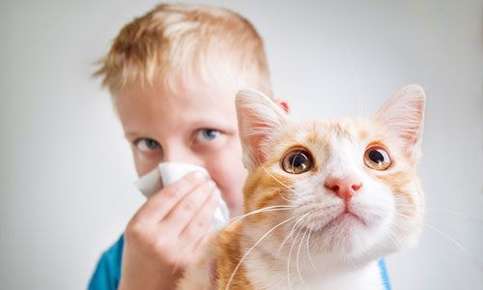
Are you concerned that your child's allergies may mean that you will have to give up your pet? Although rehoming a pet may be necessary if allergies are severe, most children can live with pets if you are willing to make a few changes.
The Problem
About three in 10 people who have allergies are allergic to cats and dogs, according to the Allergy and Asthma Foundation of America. The Foundation notes that cat allergies are twice as common as dog allergies. Many people assume all pet allergies are caused by exposure to dander, a combination of pet hair and skin cells, but dander is not the only allergen that triggers symptoms. Your child may also be allergic to your pet's urine or saliva.
How You Can Reduce Pet Allergens
Decreasing your child's symptoms starts with reducing allergens in your home by:
- Bathing Your Pet. A weekly bath can lower allergens, although dogs may be more willing to endure the experience than cats. Bathing not only reduces the amount of pet allergens but also removes allergens that collect in your pet's fur, such as grasses and mold.
- Getting Rid of Carpeting. Dander and hair tend to collect on carpeting. Although frequent vacuuming is helpful, you may not be able to completely remove allergens. It's much easier to keep hardwood, laminate and tile floors allergen-free.
- Keeping Pets Out of the Bedrooms. Your children may complain, but the sneezing and wheezing will decrease if you make your child's bedroom a pet-free zone.
- Washing Pet Bedding and Other Items. Washing any item in your home that can be washed will also reduce allergens. Pet bedding, slipcovers, throw pillows, curtains and other furnishings all collect dander and saliva.
- Buying a High-Efficiency Particulate Air (HEPA)Cleaner. These cleaners are very effective at filtering out allergens and purifying the air in your home. Use one unit in your living area and another in your child's bedroom. Add HEPA filters to your heating and air-conditioning systems too.
- Grooming Your Pet Outdoors. Brushing your pet indoors stirs up allergens. Do not let your allergic child brush your dog or cat, either indoors or outdoors.
- Considering Non-Furry Pets. Fish and snakes may not be soft and cuddly but they also do not cause allergy symptoms. They may be a good compromise if your child has severe allergies.
- Limiting Contact with Other Homes with Pets. Your child may have milder symptoms if she or he has lived with your pet from a young age. Although exposure to your pet's dander, saliva and urine may not trigger a strong reaction, things may be different when your child visits a friend's home, particularly if that family does not follow a strict cleaning protocol.
- Trying Immunotherapy. Allergy shots can help reduce your child's symptoms, but he or she may not be enthusiastic about the idea. The shots work by exposing your child to a tiny amount of an allergen, then gradually increasing the amount over the course of months or years. Eventually, exposure to the allergen may no longer trigger a reaction or may only cause a mild reaction.
Exposure to pets during a child's early days can also affect his or her allergy risk. Living with a cat during the first year of life reduced the risk of a cat allergy by 48 percent, according to a study published in Clinical & Experimental Allergy. Male teens who lived with dogs had a 50 percent lower allergy risk.
Do you have a question about the best type of pet shampoo to use to reduce allergens or concerns about your pet's health? Give us a call and let us know how we can help you.
Sources:
Annals of Allergy Asthma and Immunology: The Effects of Maternal Omega-3 Fatty Acid Supplementation on Infant Allergy, 3/14
https://www.ncbi.nlm.nih.gov/pmc/articles/PMC3961846/
American Academy of Pediatrics: When Pets Are the Problem, 11/21/15
American Academy of Allergy Asthma and Immunology: Pet Allergy Overview
http://www.aaaai.org/conditions-and-treatments/allergies/pet-allergy
Humane Society of the United States: How to Live with Allergies and Pets
Allergy and Asthma Foundation of America: Pet Allergy: Are You Allergic to Dogs or Cats?, 10/15
http://www.aafa.org/page/pet-dog-cat-allergies.aspx
American Academy of Allergy Asthma and Immunology: Prevention of Allergies and Asthma in Children
Reuters: Probiotics Linked to Lower Risk of Allergies for Kids, 8/22/13
http://www.reuters.com/article/us-probiotics-linked-to-lower-risk-of-al-idUSBRE97L0UK20130822
Clinical & Experimental Allergy: Lifetime Dog and Cat Exposure and Dog- and Cat-Specific Sensitization at Age 18 Years