Would you like to switch to the accessible version of this site?

Go to accessible site Close modal window

Don't need the accessible version of this site?

Hide the accessibility button Close modal window
Accessibility View Close toolbar

Town and Country Animal Clinic

1241 South Houston Lake Road; Warner Robins, GA 31088

Call

(478) 953-7297

[email protected]

Open mobile navigation
  • Home
  • About Us
    • Our Doctors
    • Our Staff
    • Clinic Tour
  • Patient Center
    • Online Pharmacy
    • Forms
    • Payment Options
  • Services
  • Patient Portal
  • Veterinary Topics
  • Links
  • Contact Us
  • Employment
  • Home >
  • Articles >
  • Newsletter Library >
  • Recognizing Illness >
  • Types of Diabetes in Dogs

Types of Diabetes in Dogs

  • Created in Newsletter Library, Recognizing Illness
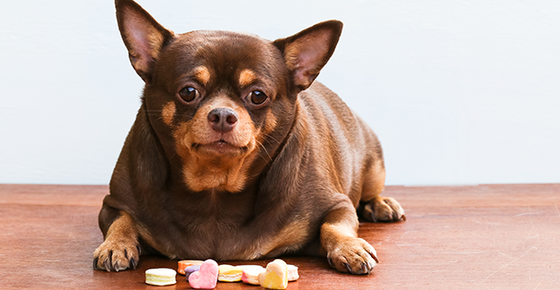
Image of a chubby dog.

Most people have heard of diabetes and associate it with needing to administer insulin. But actually there are two different kinds of diabetes: diabetes mellitus and diabetes insipidus. Their symptoms can be similar, but their causes are totally different and thus their treatments are completely different.

Diabetes mellitus is the more common of the two; it is caused by a lack of insulin in the affected dog. Insulin helps to move glucose into cells. If there is no insulin, glucose builds up in the blood, and cells do not get the energy they need. Diseases such as Cushing's and pancreatitis can lead to diabetes mellitus. The use of steroids and being overweight can also predispose dogs to this condition. Diabetic dogs are all Type 1 diabetics in that they all require insulin (the oral medications that people with Type 2 diabetes use do not work in dogs) for the rest of their lives. Dogs with diabetes mellitus also frequently develop cataracts and urinary tract infections.

Both types of diabetes cause extreme water consumption; this symptom is called polydipsia. This leads to increased urination, and commonly accidents in the house. Polydipsia can be caused by many diseases, so laboratory tests are needed to confirm that it is being caused by diabetes.

Diabetes insipidus is caused by a reduced amount of ADH (antidiuretic hormone), a hormone that regulates water metabolism. ADH helps to keep water in the body, thus when there is too little ADH, the body can't conserve water well, and too much is released into the urine. The dog has to drink a lot of water to keep hydrated.

The drug vasopressin is used to treat diabetes insipidus. This may be administered by tablets given orally, or by drops put into the eye. Treatment is needed for the rest of the dog's life.

For both types of diabetes, it is important that water never be restricted. If the dog is polydipsic, her body is telling her to drink. There can be further organ damage if your dog is not allowed to drink enough water.

If your dog develops polydipsia, your veterinarian will need to get a good, thorough history, perform a physical exam, and do blood and urine tests. Your veterinarian can then help you and your dog develop a treatment plan.

Source:

"Water Diabetes in Dogs." Pet Health & Nutrition Information & Questions. PetMD, n.d. Web. 28 Aug. 2014.

  • Pet Health
    • Chronic Conditions
    • Digestive and Oral Health
    • Diseases and Viruses
    • Pests and Parasites
    • Orthopedics
  • Today's Veterinarian
  • Choosing Your Pet
    • Finding Your Pet
    • Cats
    • Dogs
    • Exotics
      • Amphibians
      • Birds
      • Reptiles
        • Lizards
        • Turtles
    • Small Mammals
      • Ferrets
      • Rabbits
      • Domesticated Animals
        • Prairie Dogs
      • Pocket Pets
        • Chinchillas
        • Guinea Pigs
        • Hamsters
        • Hedgehogs
        • Rats
    • Livestock
      • Cows
      • Donkeys, Horses & Mules
      • Goats
      • Pigs
      • Poultry
      • Sheep
  • Living With Your Pet
    • Bringing Your Pet Home
    • Children and Pets
    • Providing Care
    • Travel
    • Saying Goodbye
  • Newsletter Library
    • Cats
    • Tips for Pet Owners
    • Behavior & Training
    • Fleas & Parasites
    • Keeping Pets Healthy
    • Recognizing Illness
    • Nutrition & Food
    • Pet Dangers
    • Seasonal Topics
    • Visiting the Vet
    • Equine
    • Newsletter Archive
      • Fun with Pets
      • Unbelievable Pets
  • Video Newsroom
    • Health Topics
    • Technology and Science
    • Other Interests
  • Newsletter Library
  • Client Survey
  • Pets4Kids

Contact Us

We look forward to hearing from you

Error!

    Featured Services

    • Contact Us

      Call or send us an email today! Our staff will respond as soon as possible.

      Contact
    • Online Pharmacy

      Visit our online pharmacy. Trust, convenience, and value!

      Learn More

    Office Hours

    Our Regular Schedule

    Monday:

    8:30 am-5:30 pm

    Tuesday:

    8:30 am-5:30 pm

    Wednesday:

    8:30 am-5:30 pm

    Thursday:

    8:30 am-5:30 pm

    Friday:

    8:30 am-5:30 pm

    Saturday:

    8:30 am-12:30 pm

    No Doctor's Hours on Saturdays

    Sunday:

    Closed

    Location

    We are centrally located between Feagin Mill Road and Hwy 96 on S. Houston Lake Road

    Testimonials

    Feedback from our clients

    • "Dr. Anderson has always gone above and beyond for the care of our family's pets for several years."
      John Doe / San Diego, CA
    • "Dr. Anderson has always gone above and beyond for the care of our family's pets for several years. We always feel questions are welcome, and Dr. Anderson spends whatever time is required to provide answers, whether we are in the office or just speaking on the telephone. Dr. Anderson always knows our pets’ special needs and personalities to provide them the best possible care."
      The Miller Family

    Featured Articles

    Helpful Reading

    • March Newsletter: How to Keep Your Cat Safe When Outdoors

      Wondering how your cat can safely spend time outdoors? ...

      Read More
    • March Newsletter: How to Choose Safe Blankets for Pets

      Do you know how to pick a safe blanket for your pet? ...

      Read More
    • February Newsletter: How to Reduce Dental Anxiety in Pets

      Does your pet hate toothbrushing? These tips could reduce dental anxiety. ...

      Read More

    Newsletter Sign Up

    Error!

      • Copyright © 2026 MH Sub I, LLC dba iMatrix.
      • Admin Log In
      • Site Map