Would you like to switch to the accessible version of this site?

Go to accessible site Close modal window

Don't need the accessible version of this site?

Hide the accessibility button Close modal window
Accessibility View Close toolbar

Town and Country Animal Clinic

1241 South Houston Lake Road; Warner Robins, GA 31088

Call

(478) 953-7297

[email protected]

Open mobile navigation
  • Home
  • About Us
    • Our Doctors
    • Our Staff
    • Clinic Tour
  • Patient Center
    • Online Pharmacy
    • Forms
    • Payment Options
  • Services
  • Patient Portal
  • Veterinary Topics
  • Links
  • Contact Us
  • Employment
  • Home >
  • Articles >
  • Newsletter Library >
  • Pet Dangers >
  • Pretty Poisonous Plants

Pretty Poisonous Plants

  • Created in Newsletter Library, Pet Dangers
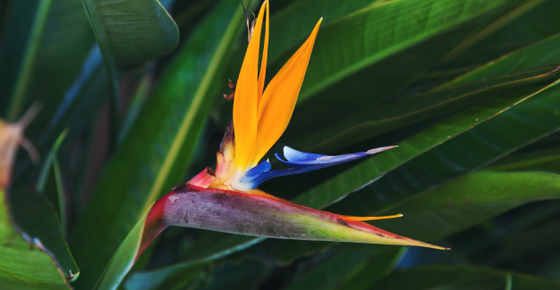
Image of a bird of paradise flower.

We all enjoy flowers, whether in a vase in our house or in our gardens. We enjoy the multitude of bright colors and the fragrant odor they give us. But there can be a dangerous aspect to some of our favorite plants. The list of poisonous plants is very long, but this will give you information about some of the more common flowers and ornamental plants.

Lilies are common as cut flowers and in landscaping. They are toxic to cats, but fortunately not to dogs or horses. All parts of the plant can cause kidney problems. A cat that walks through a garden of lilies, then ingests the pollen as it grooms its fur, can develop severe kidney problems.

Azaleas are toxic to dogs, cats, and horses. Symptoms include vomiting, diarrhea, drooling, mental dullness, cardiovascular depression, collapse, and death. Even eating a few leaves can cause serious problems.

Bird of Paradise is among one of the most beautiful flowers, but it can be toxic to cats, dogs, and horses. The fruits and seeds can cause vomiting and drowsiness.

Begonias, especially the tubers, are toxic to dogs and cats. They can cause oral irritation. This can progress to swelling of the mouth, lips, and tongue, causing drooling, vomiting, and difficulty swallowing.

All parts of the castor bean plant are toxic, but the seeds contain the highest concentration of ricin, one of the most poisonous compounds known. This affects horses, cats, and dogs. Symptoms are mouth irritation, vomiting, diarrhea, kidney failure, seizures, and death. Signs usually start 12 to 48 hours after ingestion.

Chrysanthemums are toxic to horses, dogs, and cats. They can cause vomiting, diarrhea, drooling, weakness, inability to walk properly, and even skin problems.

Hibiscus can cause a loss of appetite, vomiting, and diarrhea in cats, dogs, or horses that ingest it.

Oleander is very toxic to dogs, cats, and horses. It has toxins that can cause a low heart rate, heart failure, and death. It is possible to also see vomiting and diarrhea.
There are several ornamental plants that contain cardiac glycosides. Plants such as clematis and foxglove can affect dogs, cats and horses to cause weakness, heart failure, drooling, and death.

There are hundreds of other plants that can be toxic. For more information on any toxic plants, consult with your veterinarian. Simple precautions can keep your pets safe and healthy.

Source:

American Society for the Prevention of Cruelty to Animals (ASPCA)

  • Pet Health
    • Chronic Conditions
    • Digestive and Oral Health
    • Diseases and Viruses
    • Pests and Parasites
    • Orthopedics
  • Today's Veterinarian
  • Choosing Your Pet
    • Finding Your Pet
    • Cats
    • Dogs
    • Exotics
      • Amphibians
      • Birds
      • Reptiles
        • Lizards
        • Turtles
    • Small Mammals
      • Ferrets
      • Rabbits
      • Domesticated Animals
        • Prairie Dogs
      • Pocket Pets
        • Chinchillas
        • Guinea Pigs
        • Hamsters
        • Hedgehogs
        • Rats
    • Livestock
      • Cows
      • Donkeys, Horses & Mules
      • Goats
      • Pigs
      • Poultry
      • Sheep
  • Living With Your Pet
    • Bringing Your Pet Home
    • Children and Pets
    • Providing Care
    • Travel
    • Saying Goodbye
  • Newsletter Library
    • Cats
    • Tips for Pet Owners
    • Behavior & Training
    • Fleas & Parasites
    • Keeping Pets Healthy
    • Recognizing Illness
    • Nutrition & Food
    • Pet Dangers
    • Seasonal Topics
    • Visiting the Vet
    • Equine
    • Newsletter Archive
      • Fun with Pets
      • Unbelievable Pets
  • Video Newsroom
    • Health Topics
    • Technology and Science
    • Other Interests
  • Newsletter Library
  • Client Survey
  • Pets4Kids

Contact Us

We look forward to hearing from you

Error!

    Featured Services

    • Contact Us

      Call or send us an email today! Our staff will respond as soon as possible.

      Contact
    • Online Pharmacy

      Visit our online pharmacy. Trust, convenience, and value!

      Learn More

    Office Hours

    Our Regular Schedule

    Monday:

    8:30 am-5:30 pm

    Tuesday:

    8:30 am-5:30 pm

    Wednesday:

    8:30 am-5:30 pm

    Thursday:

    8:30 am-5:30 pm

    Friday:

    8:30 am-5:30 pm

    Saturday:

    8:30 am-12:30 pm

    No Doctor's Hours on Saturdays

    Sunday:

    Closed

    Location

    We are centrally located between Feagin Mill Road and Hwy 96 on S. Houston Lake Road

    Testimonials

    Feedback from our clients

    • "Dr. Anderson has always gone above and beyond for the care of our family's pets for several years."
      John Doe / San Diego, CA
    • "Dr. Anderson has always gone above and beyond for the care of our family's pets for several years. We always feel questions are welcome, and Dr. Anderson spends whatever time is required to provide answers, whether we are in the office or just speaking on the telephone. Dr. Anderson always knows our pets’ special needs and personalities to provide them the best possible care."
      The Miller Family

    Featured Articles

    Helpful Reading

    • March Newsletter: How to Keep Your Cat Safe When Outdoors

      Wondering how your cat can safely spend time outdoors? ...

      Read More
    • March Newsletter: How to Choose Safe Blankets for Pets

      Do you know how to pick a safe blanket for your pet? ...

      Read More
    • February Newsletter: How to Reduce Dental Anxiety in Pets

      Does your pet hate toothbrushing? These tips could reduce dental anxiety. ...

      Read More

    Newsletter Sign Up

    Error!

      • Copyright © 2026 MH Sub I, LLC dba iMatrix.
      • Admin Log In
      • Site Map