Would you like to switch to the accessible version of this site?

Go to accessible site Close modal window

Don't need the accessible version of this site?

Hide the accessibility button Close modal window
Accessibility View Close toolbar

Town and Country Animal Clinic

1241 South Houston Lake Road; Warner Robins, GA 31088

Call

(478) 953-7297

[email protected]

Open mobile navigation
  • Home
  • About Us
    • Our Doctors
    • Our Staff
    • Clinic Tour
  • Patient Center
    • Online Pharmacy
    • Forms
    • Payment Options
  • Services
  • Patient Portal
  • Veterinary Topics
  • Links
  • Contact Us
  • Employment
  • Home >
  • Articles >
  • Newsletter Library >
  • Newsletter Archive >
  • Unbelievable Pets >
  • New Uses for Animal DNA

New Uses for Animal DNA

  • Created in Newsletter Library, Newsletter Archive, Unbelievable Pets
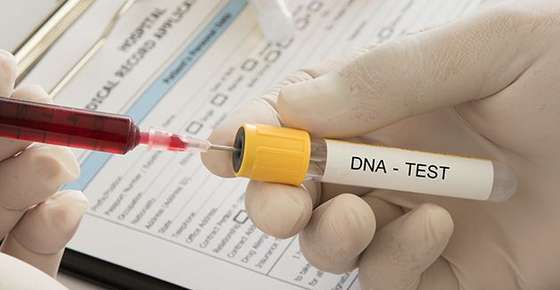
Image of a DNA sample.

Advances in science have enabled the decoding of several animals' DNA. Knowing the genome of a species has enabled medical professionals to detect some diseases that have a genetic basis. But it also has other uses, even in the criminal justice system.

The Veterinary Genetics Laboratory Forensic Unit at the University of California, Davis is the first accredited crime lab dedicated to animal DNA profiling. There are three main types of cases: where an animal is a victim, where the animal is the perpetrator, and where the animal is a witness.

DNA can be used to confirm the ownership of an animal that has been stolen or to identify the remains of a lost pet. Tissue samples can be compared to items that would have the animals DNA on it, such as brushes, bedding, or food and water bowls.

When an animal is suspected of being the perpetrator, samples from the victim may lead to the culprit. Collection of samples from bite wounds, or clothing if the victim is a person, can be studied to determine what species performed the attack, and even to determine which individual is guilty.

Cases where animals are a witness are usually human crimes. Animal DNA can link a suspect with a crime scene or a victim. Transfer of DNA from saliva, blood, hair, stool, or urine can occur during the commission of a crime. The UC Davis Veterinary Genetics Lab has been involved in solving or proving several serious crimes. One was a kidnapping and domestic abuse case in West Virginia where they analyzed hair from around a drill bit and blood on a hammer owned by the suspect and matched them to two puppies belonging to the victim. Another case in Texas involved a serial rapist who rolled in dog feces during an attack. The victim owned three dogs, and they matched the stool found on the suspect to the victim's chihuahua. He was found guilty after lab personnel testified.

In a triple murder case in Indiana in 2000, a suspect denied he had ever been at the location of the murders. An examination showed that he had a very small amount of dog feces on a shoe. The UC Davis lab was able match this to the only dog on the property where the slayings occurred. The killer is now serving life in prison.

The use of DNA is opening up a whole new field of science, just one aspect is its use in the criminal justice system. The UC Davis Veterinary Genetics Lab is still in the process of informing criminal investigators of their capability of analyzing any type of animal DNA. Who knows how many cases can be solved now?

  • Pet Health
    • Chronic Conditions
    • Digestive and Oral Health
    • Diseases and Viruses
    • Pests and Parasites
    • Orthopedics
  • Today's Veterinarian
  • Choosing Your Pet
    • Finding Your Pet
    • Cats
    • Dogs
    • Exotics
      • Amphibians
      • Birds
      • Reptiles
        • Lizards
        • Turtles
    • Small Mammals
      • Ferrets
      • Rabbits
      • Domesticated Animals
        • Prairie Dogs
      • Pocket Pets
        • Chinchillas
        • Guinea Pigs
        • Hamsters
        • Hedgehogs
        • Rats
    • Livestock
      • Cows
      • Donkeys, Horses & Mules
      • Goats
      • Pigs
      • Poultry
      • Sheep
  • Living With Your Pet
    • Bringing Your Pet Home
    • Children and Pets
    • Providing Care
    • Travel
    • Saying Goodbye
  • Newsletter Library
    • Cats
    • Tips for Pet Owners
    • Behavior & Training
    • Fleas & Parasites
    • Keeping Pets Healthy
    • Recognizing Illness
    • Nutrition & Food
    • Pet Dangers
    • Seasonal Topics
    • Visiting the Vet
    • Equine
    • Newsletter Archive
      • Fun with Pets
      • Unbelievable Pets
  • Video Newsroom
    • Health Topics
    • Technology and Science
    • Other Interests
  • Newsletter Library
  • Client Survey
  • Pets4Kids

Contact Us

We look forward to hearing from you

Error!

    Featured Services

    • Contact Us

      Call or send us an email today! Our staff will respond as soon as possible.

      Contact
    • Online Pharmacy

      Visit our online pharmacy. Trust, convenience, and value!

      Learn More

    Office Hours

    Our Regular Schedule

    Monday:

    8:30 am-5:30 pm

    Tuesday:

    8:30 am-5:30 pm

    Wednesday:

    8:30 am-5:30 pm

    Thursday:

    8:30 am-5:30 pm

    Friday:

    8:30 am-5:30 pm

    Saturday:

    8:30 am-12:30 pm

    No Doctor's Hours on Saturdays

    Sunday:

    Closed

    Location

    We are centrally located between Feagin Mill Road and Hwy 96 on S. Houston Lake Road

    Testimonials

    Feedback from our clients

    • "Dr. Anderson has always gone above and beyond for the care of our family's pets for several years."
      John Doe / San Diego, CA
    • "Dr. Anderson has always gone above and beyond for the care of our family's pets for several years. We always feel questions are welcome, and Dr. Anderson spends whatever time is required to provide answers, whether we are in the office or just speaking on the telephone. Dr. Anderson always knows our pets’ special needs and personalities to provide them the best possible care."
      The Miller Family

    Featured Articles

    Helpful Reading

    • March Newsletter: How to Keep Your Cat Safe When Outdoors

      Wondering how your cat can safely spend time outdoors? ...

      Read More
    • March Newsletter: How to Choose Safe Blankets for Pets

      Do you know how to pick a safe blanket for your pet? ...

      Read More
    • February Newsletter: How to Reduce Dental Anxiety in Pets

      Does your pet hate toothbrushing? These tips could reduce dental anxiety. ...

      Read More

    Newsletter Sign Up

    Error!

      • Copyright © 2026 MH Sub I, LLC dba iMatrix.
      • Admin Log In
      • Site Map