Would you like to switch to the accessible version of this site?

Go to accessible site Close modal window

Don't need the accessible version of this site?

Hide the accessibility button Close modal window
Accessibility View Close toolbar

Town and Country Animal Clinic

1241 South Houston Lake Road; Warner Robins, GA 31088

Call

(478) 953-7297

[email protected]

Open mobile navigation
  • Home
  • About Us
    • Our Doctors
    • Our Staff
    • Clinic Tour
  • Patient Center
    • Online Pharmacy
    • Forms
    • Payment Options
  • Services
  • Patient Portal
  • Veterinary Topics
  • Links
  • Contact Us
  • Employment
  • Home >
  • Articles >
  • Newsletter Library >
  • Cats >
  • How to Keep Your Cat from Getting Fat

How to Keep Your Cat from Getting Fat

  • Created in Newsletter Library, Cats
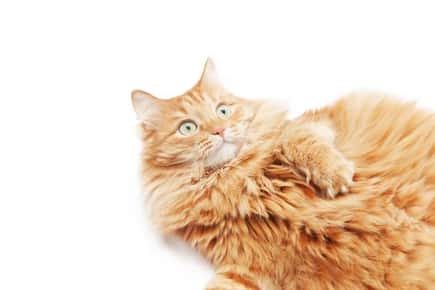
image of a fat cat.

A fat cat may appear happy and provide visitors with a source of amusement, but feline obesity is certainly no laughing matter. Cats who carry excess weight have a heightened risk for diabetes, cancer, liver problems, degenerative joint pain and other conditions that could severely curtail its quality of life. Recent studies discovered that more than half of all dogs and cats are diagnosed as either overweight or obese by their veterinarians. Fortunately, there are simple steps you can take to keep your feline from getting fat.

The most obvious reason for feline obesity is the ingestion of more daily calories than a cat can burn off through activity or normal metabolic processes -- the same basic issue faced by so many overweight humans. If your cat is encased in a thick layer of fur, you may have trouble telling whether he is overweight. You should feel deeply with your hands to see if you can feel ribs, spine or hip bones. You can also compare your cat to the body condition charts developed by Purina diets that are used by all veterinarians. If your cat is too heavy, do some serious thinking about your cat's eating habits and activity level.

Weight Control Tips and Tricks

The main tip for keeping your cat at a good weight, or getting your overweight cat to lose weight, is to feed them only canned food. In order for manufacturers to make a food dry, they have to add a lot of carbohydrate to the ration. It is believed that cats need more of an Atkins-type diet, high in protein and low in carbohydrate. It should be a good quality food, balanced with the right proportion of protein, fats, etc, and formulated according to AAFCO guidelines. You should look for this statement in the fine print on the can.

Since calories that go unburned will only turn to fat, you may need to get your sedentary cat moving if you wish to keep him from getting heavy. Try playing games with him, or get him a canine or feline playmate who will keep him on his toes. Senior pets are at a disadvantage due to their slower metabolism, especially if they cannot move as freely or comfortably as they once did. For these animals, dietary reductions and modifications, coupled with supplements such as glucosamine or omega-3 fatty acids to ease joint problems, may prove helpful.

Changing a cat's eating habits may require changes in his owner's behavior as well. Veterinarians urge owners to reduce the number of treats and remove their cats from the dining room during human mealtimes.

Sources:

ASPCA,“Overweight Cats.“

Levs, Josh. “Obesity Epidemic Strikes U.S. Pets.“ CNN, 2012.

American Animal Hospital Association. AAHA Diabetes Management Guidelines

Kealy, et. al. “Effects of Diet Restriction on Life Span and Age-Related Changes in Dogs.“ JAVMA 2002; 220:1315-1320

  • Pet Health
    • Chronic Conditions
    • Digestive and Oral Health
    • Diseases and Viruses
    • Pests and Parasites
    • Orthopedics
  • Today's Veterinarian
  • Choosing Your Pet
    • Finding Your Pet
    • Cats
    • Dogs
    • Exotics
      • Amphibians
      • Birds
      • Reptiles
        • Lizards
        • Turtles
    • Small Mammals
      • Ferrets
      • Rabbits
      • Domesticated Animals
        • Prairie Dogs
      • Pocket Pets
        • Chinchillas
        • Guinea Pigs
        • Hamsters
        • Hedgehogs
        • Rats
    • Livestock
      • Cows
      • Donkeys, Horses & Mules
      • Goats
      • Pigs
      • Poultry
      • Sheep
  • Living With Your Pet
    • Bringing Your Pet Home
    • Children and Pets
    • Providing Care
    • Travel
    • Saying Goodbye
  • Newsletter Library
    • Cats
    • Tips for Pet Owners
    • Behavior & Training
    • Fleas & Parasites
    • Keeping Pets Healthy
    • Recognizing Illness
    • Nutrition & Food
    • Pet Dangers
    • Seasonal Topics
    • Visiting the Vet
    • Equine
    • Newsletter Archive
      • Fun with Pets
      • Unbelievable Pets
  • Video Newsroom
    • Health Topics
    • Technology and Science
    • Other Interests
  • Newsletter Library
  • Client Survey
  • Pets4Kids

Contact Us

We look forward to hearing from you

Error!

    Featured Services

    • Contact Us

      Call or send us an email today! Our staff will respond as soon as possible.

      Contact
    • Online Pharmacy

      Visit our online pharmacy. Trust, convenience, and value!

      Learn More

    Office Hours

    Our Regular Schedule

    Monday:

    8:30 am-5:30 pm

    Tuesday:

    8:30 am-5:30 pm

    Wednesday:

    8:30 am-5:30 pm

    Thursday:

    8:30 am-5:30 pm

    Friday:

    8:30 am-5:30 pm

    Saturday:

    8:30 am-12:30 pm

    No Doctor's Hours on Saturdays

    Sunday:

    Closed

    Location

    We are centrally located between Feagin Mill Road and Hwy 96 on S. Houston Lake Road

    Testimonials

    Feedback from our clients

    • "Dr. Anderson has always gone above and beyond for the care of our family's pets for several years."
      John Doe / San Diego, CA
    • "Dr. Anderson has always gone above and beyond for the care of our family's pets for several years. We always feel questions are welcome, and Dr. Anderson spends whatever time is required to provide answers, whether we are in the office or just speaking on the telephone. Dr. Anderson always knows our pets’ special needs and personalities to provide them the best possible care."
      The Miller Family

    Featured Articles

    Helpful Reading

    • March Newsletter: How to Keep Your Cat Safe When Outdoors

      Wondering how your cat can safely spend time outdoors? ...

      Read More
    • March Newsletter: How to Choose Safe Blankets for Pets

      Do you know how to pick a safe blanket for your pet? ...

      Read More
    • February Newsletter: How to Reduce Dental Anxiety in Pets

      Does your pet hate toothbrushing? These tips could reduce dental anxiety. ...

      Read More

    Newsletter Sign Up

    Error!

      • Copyright © 2026 MH Sub I, LLC dba iMatrix.
      • Admin Log In
      • Site Map