Would you like to switch to the accessible version of this site?

Go to accessible site Close modal window

Don't need the accessible version of this site?

Hide the accessibility button Close modal window
Accessibility View Close toolbar

Town and Country Animal Clinic

1241 South Houston Lake Road; Warner Robins, GA 31088

Call

(478) 953-7297

[email protected]

Open mobile navigation
  • Home
  • About Us
    • Our Doctors
    • Our Staff
    • Clinic Tour
  • Patient Center
    • Online Pharmacy
    • Forms
    • Payment Options
  • Services
  • Patient Portal
  • Veterinary Topics
  • Links
  • Contact Us
  • Employment
  • Home >
  • Articles >
  • Newsletter Library >
  • Newsletter Archive >
  • Unbelievable Pets >
  • Can Pets Sense Pregnancy?

Can Pets Sense Pregnancy?

  • Created in Newsletter Library, Newsletter Archive, Unbelievable Pets
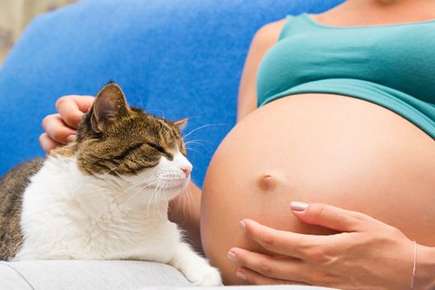
Image of a cat and pregnant lady.

Your pets probably don't understand that in nine months a new baby will be joining your family, but dogs and cats do detect differences in mood, posture, behavior, and body chemistry that clue them that an enormous change is happening.


Your dog or cat will pick up other signs, too: Our four legged friends are masters at reading our body language, so they'll notice when your movements start to get more and more awkward. Pets are also highly attuned to changes in your daily routine - say, if you're not taking your dog for runs as often as you used to, if you're spending more time on the couch, or if family members are treating you with extra care.


It's common for dogs to go on alert and become overprotective of their expecting owner from the very beginning of her pregnancy. Behaviorists have witnessed dogs growl, bark, or even block doors with their bodies to prevent other family members - even the baby's father - from coming into the same room as the mom-to-be.

Cats on the other hand are less socially involved, therefore less likely to go through these sorts of behavioral changes. Cat owners have reported a wide range of responses from uninterested to more loving and protective behaviors. But keep giving your cat attention and love during your pregnancy, as neglected cats may become more aggressive or act out by urinating where they're not supposed to, like in your bed or laundry basket.

To help prevent problem behaviors, try to stick to your pre-pregnancy routine as much as you can, and ask family members and friends to help when you're not up for a run in the park or a long brushing session. I advise clients to develop a plan for their pet while they're in the hospital, just like they'd develop a birth plan. Line up a caretaker for your pets and write down your pets' schedules for that person.

To help your dog understand that you still love him, be careful of the messages you send through your body language. Pregnant women often unconsciously place their hands over their stomachs, and dogs read this closed-arm posture as saying "I'm unavailable" or "step back." Open-armed postures, on the other hand, send dogs the message to "come here."

If your dog or cat starts seriously misbehaving during your pregnancy, or if you don't have experience preparing pets for a new baby, it's a good idea to get help from a professional trainer. Many offer "baby readiness" classes or individual training sessions to help pets adjust.

If you stay on top of any potential behavior problems, having pets during your pregnancy and afterward can be a wonderful thing for you and your baby. Studies have shown that spending time with a domesticated animal can improve mood, reduce depression, lower blood pressure, and even help you live longer. So enjoy!

  • Pet Health
    • Chronic Conditions
    • Digestive and Oral Health
    • Diseases and Viruses
    • Pests and Parasites
    • Orthopedics
  • Today's Veterinarian
  • Choosing Your Pet
    • Finding Your Pet
    • Cats
    • Dogs
    • Exotics
      • Amphibians
      • Birds
      • Reptiles
        • Lizards
        • Turtles
    • Small Mammals
      • Ferrets
      • Rabbits
      • Domesticated Animals
        • Prairie Dogs
      • Pocket Pets
        • Chinchillas
        • Guinea Pigs
        • Hamsters
        • Hedgehogs
        • Rats
    • Livestock
      • Cows
      • Donkeys, Horses & Mules
      • Goats
      • Pigs
      • Poultry
      • Sheep
  • Living With Your Pet
    • Bringing Your Pet Home
    • Children and Pets
    • Providing Care
    • Travel
    • Saying Goodbye
  • Newsletter Library
    • Cats
    • Tips for Pet Owners
    • Behavior & Training
    • Fleas & Parasites
    • Keeping Pets Healthy
    • Recognizing Illness
    • Nutrition & Food
    • Pet Dangers
    • Seasonal Topics
    • Visiting the Vet
    • Equine
    • Newsletter Archive
      • Fun with Pets
      • Unbelievable Pets
  • Video Newsroom
    • Health Topics
    • Technology and Science
    • Other Interests
  • Newsletter Library
  • Client Survey
  • Pets4Kids

Contact Us

We look forward to hearing from you

Error!

    Featured Services

    • Contact Us

      Call or send us an email today! Our staff will respond as soon as possible.

      Contact
    • Online Pharmacy

      Visit our online pharmacy. Trust, convenience, and value!

      Learn More

    Office Hours

    Our Regular Schedule

    Monday:

    8:30 am-5:30 pm

    Tuesday:

    8:30 am-5:30 pm

    Wednesday:

    8:30 am-5:30 pm

    Thursday:

    8:30 am-5:30 pm

    Friday:

    8:30 am-5:30 pm

    Saturday:

    8:30 am-12:30 pm

    No Doctor's Hours on Saturdays

    Sunday:

    Closed

    Location

    We are centrally located between Feagin Mill Road and Hwy 96 on S. Houston Lake Road

    Testimonials

    Feedback from our clients

    • "Dr. Anderson has always gone above and beyond for the care of our family's pets for several years."
      John Doe / San Diego, CA
    • "Dr. Anderson has always gone above and beyond for the care of our family's pets for several years. We always feel questions are welcome, and Dr. Anderson spends whatever time is required to provide answers, whether we are in the office or just speaking on the telephone. Dr. Anderson always knows our pets’ special needs and personalities to provide them the best possible care."
      The Miller Family

    Featured Articles

    Helpful Reading

    • March Newsletter: How to Keep Your Cat Safe When Outdoors

      Wondering how your cat can safely spend time outdoors? ...

      Read More
    • March Newsletter: How to Choose Safe Blankets for Pets

      Do you know how to pick a safe blanket for your pet? ...

      Read More
    • February Newsletter: How to Reduce Dental Anxiety in Pets

      Does your pet hate toothbrushing? These tips could reduce dental anxiety. ...

      Read More

    Newsletter Sign Up

    Error!

      • Copyright © 2026 MH Sub I, LLC dba iMatrix.
      • Admin Log In
      • Site Map