Would you like to switch to the accessible version of this site?

Go to accessible site Close modal window

Don't need the accessible version of this site?

Hide the accessibility button Close modal window
Accessibility View Close toolbar

Town and Country Animal Clinic

1241 South Houston Lake Road; Warner Robins, GA 31088

Call

(478) 953-7297

[email protected]

Open mobile navigation
  • Home
  • About Us
    • Our Doctors
    • Our Staff
    • Clinic Tour
  • Patient Center
    • Online Pharmacy
    • Forms
    • Payment Options
  • Services
  • Patient Portal
  • Veterinary Topics
  • Links
  • Contact Us
  • Employment
  • Home >
  • Articles >
  • Choosing Your Pet >
  • Exotics >
  • Reptiles >
  • Turtles >
  • Tortoises

Tortoises

  • Created in Choosing Your Pet, Exotics, Reptiles, Turtles
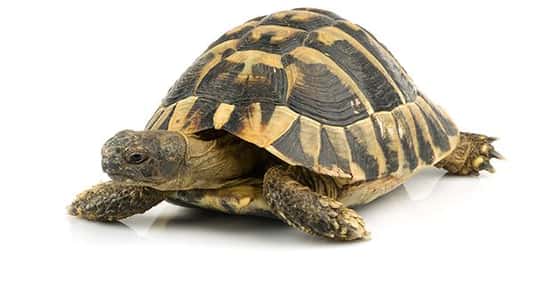
Image of a tortoise.

Tortoises can make an interesting pet, although they can present a challenge, due to their size and dietary habits. Their diets vary based on species, but all need quite a variety of foods, with careful attention paid to the amount of roughage as well as calcium/phosphorus balance. Some species have voracious appetites, too. Many species are fairly large and need a decent sized enclosure, preferably outdoors, so are suited to areas with nicer climates. Depending on the temperatures where the tortoise originates and the area where you live, it may be necessary to bring tortoises indoors overnight or during cooler weather (and with the larger tortoises providing indoor housing can be a big challenge!). Some species need to hibernate, which can be very stressful on the tortoise and requires special conditions.

Tortoises can also live a very long time (anywhere from 50 to over 100 years), which means you must be prepared to provide a lifetime of care and consider that your pet might even outlive you.

A couple of important notes: when constructing an outdoor pen, make sure it is strong and bury your fences if you have a burrowing tortoise. Tortoises are quite strong, especially the larger ones, and flimsy enclosures won't hold them long. Some tortoises also climb surprisingly well so some may require a roofed pen. It is also very important to make sure the enclosure keeps predators (including dogs) out. Make sure there are no dangers in the pen - no poisonous plants, shallow water only, and no sharp objects or small inedible objects which may be accidentally ingested. Also for some tortoises, trying to climb steps or other obstacles can result in them tipping onto their backs, which may result in their untimely deaths. Most will need some sort of shelter outdoors as well, such as a doghouse (perhaps heated as well).

It is also best, as with any reptile, to get a captive bred specimen if at all possible. This isn't easy for some species, but the capture and shipping conditions can be appalling, and result in stressed animals which are then more prone to disease. It is also possible in some areas to locate tortoises from rescues. Any new addition should be checked for parasites and quarantined for a while to ensure that it is healthy (if other tortoises are present). Some species are quite aggressive with other tortoises, and if a couple of males are kept in too small of an enclosure, fighting may result producing potentially serious injuries around the eyes and on the legs.

It is vital to choose a tortoise species well - based on housing and environmental needs, and diet requirements. Different species have markedly different adult sizes, temperature and light needs, diets, and some need to hibernate and some do not. Rather than try to get into the details of care here we'll just compare of a few species, and refer readers to the excellent care sheets that are available on the net.

  • Pet Health
    • Chronic Conditions
    • Digestive and Oral Health
    • Diseases and Viruses
    • Pests and Parasites
    • Orthopedics
  • Today's Veterinarian
  • Choosing Your Pet
    • Finding Your Pet
    • Cats
    • Dogs
    • Exotics
      • Amphibians
      • Birds
      • Reptiles
        • Lizards
        • Turtles
    • Small Mammals
      • Ferrets
      • Rabbits
      • Domesticated Animals
        • Prairie Dogs
      • Pocket Pets
        • Chinchillas
        • Guinea Pigs
        • Hamsters
        • Hedgehogs
        • Rats
    • Livestock
      • Cows
      • Donkeys, Horses & Mules
      • Goats
      • Pigs
      • Poultry
      • Sheep
  • Living With Your Pet
    • Bringing Your Pet Home
    • Children and Pets
    • Providing Care
    • Travel
    • Saying Goodbye
  • Newsletter Library
    • Cats
    • Tips for Pet Owners
    • Behavior & Training
    • Fleas & Parasites
    • Keeping Pets Healthy
    • Recognizing Illness
    • Nutrition & Food
    • Pet Dangers
    • Seasonal Topics
    • Visiting the Vet
    • Equine
    • Newsletter Archive
      • Fun with Pets
      • Unbelievable Pets
  • Video Newsroom
    • Health Topics
    • Technology and Science
    • Other Interests
  • Newsletter Library
  • Client Survey
  • Pets4Kids

Contact Us

We look forward to hearing from you

Error!

    Featured Services

    • Contact Us

      Call or send us an email today! Our staff will respond as soon as possible.

      Contact
    • Online Pharmacy

      Visit our online pharmacy. Trust, convenience, and value!

      Learn More

    Office Hours

    Our Regular Schedule

    Monday:

    8:30 am-5:30 pm

    Tuesday:

    8:30 am-5:30 pm

    Wednesday:

    8:30 am-5:30 pm

    Thursday:

    8:30 am-5:30 pm

    Friday:

    8:30 am-5:30 pm

    Saturday:

    8:30 am-12:30 pm

    No Doctor's Hours on Saturdays

    Sunday:

    Closed

    Location

    We are centrally located between Feagin Mill Road and Hwy 96 on S. Houston Lake Road

    Testimonials

    Feedback from our clients

    • "Dr. Anderson has always gone above and beyond for the care of our family's pets for several years."
      John Doe / San Diego, CA
    • "Dr. Anderson has always gone above and beyond for the care of our family's pets for several years. We always feel questions are welcome, and Dr. Anderson spends whatever time is required to provide answers, whether we are in the office or just speaking on the telephone. Dr. Anderson always knows our pets’ special needs and personalities to provide them the best possible care."
      The Miller Family

    Featured Articles

    Helpful Reading

    • March Newsletter: How to Keep Your Cat Safe When Outdoors

      Wondering how your cat can safely spend time outdoors? ...

      Read More
    • March Newsletter: How to Choose Safe Blankets for Pets

      Do you know how to pick a safe blanket for your pet? ...

      Read More
    • February Newsletter: How to Reduce Dental Anxiety in Pets

      Does your pet hate toothbrushing? These tips could reduce dental anxiety. ...

      Read More

    Newsletter Sign Up

    Error!

      • Copyright © 2026 MH Sub I, LLC dba iMatrix.
      • Admin Log In
      • Site Map