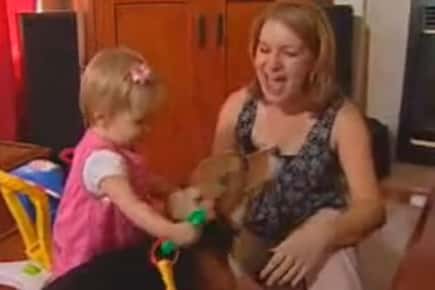
Your home is a haven and a place of safety for you and for your pet. But, inside every house are poisons, dangers, and hazards that can injure your dog or cat. Here are some helpful tips to help keep your pet safe and out of the emergency room!
According to consultants at PetProTech pet safety products, most pet emergencies result from ingestion of toxins, ingestion of non-digestible materials leading to intestinal blockages, and accidents causing fractures or soft tissue trauma. The ASPCA Poison Control Center urges pet owners to search every room of the home and try to look at it from a toddler's perspective. If the toddler can reach it, so can the new puppy or kitten.
Puppies chew to help explore their world as well as relieve stresses. Remember that puppies will often view anything on the floor as fair game. It is important to pick up potential hazards such as batteries, tobacco products, coins, and many household plants. Although new kittens are not prone to chew like puppies, houseplants, especially in the lily family, can be extremely poisonous to cats. To keep your kittens safe, keep dangerous plants out of reach, or, better yet, outside. For both types of pets, it is extremely important to put away all medications, both yours and theirs. A single acetaminophen caplet can kill an adult cat and many dogs will eagerly over consume the beef flavored pain relieving drugs created for them, leading to potential stomach ulcers, bleeding, or kidney damage.
Trash cans and garbage bags are often irresistible to both dogs and cats. The aroma of foods and other apparently "delicious" items is often too much for even a well trained pet. To the pet, getting into the garbage is its own reward when tasty leftovers and treats can be found. Keep food scraps, especially cooked bones, in a secure container, preferably behind a locked or child-proof door. Simply placing the trash can up on a counter will not always assure safety. Besides making a mess, garbage can raiding can lead to stomach upsets, vomiting, diarrhea, or even obstructions and perforations of the intestinal tract.
During the holidays, many people become soft-hearted and give "just one treat" to the begging pet. Unfortunately, too many treats, or the wrong types, can cause severe stomach upsets and may lead to an emergency visit to the veterinarian. Bones, fatty foods, onions, and alcoholic beverages should not be on your pet's holiday menu. Thanksgiving can be especially difficult and many emergency rooms report higher than normal number of pancreatitis cases and intestinal blockages during this time. Chocolates, especially dark or baking chocolates, should never be given to pets. Even seemingly harmless treats, such as grapes or raisins, have caused deadly kidney damage to dogs. Ask your guests to honor your holiday wish and restrain from giving holiday food to your pet.
Other holiday dangers can include ingestion of mistletoe, holly, or the water from the live Christmas tree. All of these have the potential to make your pet seriously ill. If your cat is very inquisitive, it may be necessary to keep the tree behind a closed door. The tree's decorations are also a potential for causing an emergency visit due to ingestion or lacerations from broken ornaments.
Read the labels of insecticides well to insure that your pets will not be harmed by their use. Place rat, mouse, or ant traps and poisons in locations unlikely to be found by your pet. Pet safety experts say that granular pesticides are much safer than pellet pesticides because the pet is less likely to eat the granules. Anti-freeze is a well-known poison to pets, but other garage items, such as gasoline, oils, and fertilizers can be dangerous as well. Keep these items out of pet's reach and wipe up all spills as they happen.
The number of items in our homes that can hurt a dog or cat are just as numerous as items that can harm a child. Being proactive and preventing the pet from eating the wrong item or getting into a situation that can harm him or her is the best way to avoid injuries. If you suspect your pet has ingested something toxic or potentially been injured by a household object, contact us immediately. For more ideas on how to pet proof your home, please contact us.