Would you like to switch to the accessible version of this site?

Go to accessible site Close modal window

Don't need the accessible version of this site?

Hide the accessibility button Close modal window
Accessibility View Close toolbar

Town and Country Animal Clinic

1241 South Houston Lake Road; Warner Robins, GA 31088

Call

(478) 953-7297

[email protected]

Open mobile navigation
  • Home
  • About Us
    • Our Doctors
    • Our Staff
    • Clinic Tour
  • Patient Center
    • Online Pharmacy
    • Forms
    • Payment Options
  • Services
  • Patient Portal
  • Veterinary Topics
  • Links
  • Contact Us
  • Employment
  • Home >
  • Articles >
  • Pet Health >
  • Chronic Conditions >
  • Hypothyroidism

Hypothyroidism

  • Created in Pet Health, Chronic Conditions, Pet Health
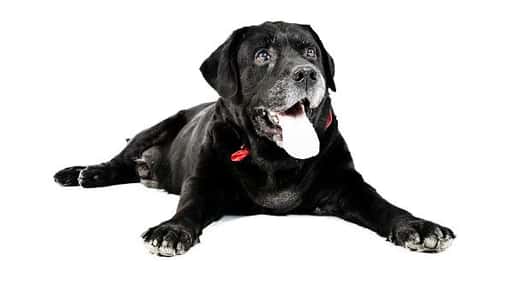
Image of a dog.

Hypothyroidism is the natural deficiency of thyroid hormone and is the most common hormone imbalance of dogs. This deficiency is produced by several different mechanisms. The most common cause (at least 95% of cases) is immune destruction of the thyroid gland. It can also be caused by natural atrophy of the gland, by dietary iodine deficiency, neoplasia (primary or metastatic) of the thyroid gland or (rarely) as a congenital problem. Hypothyroidism is most common in medium to large breeds of dogs that are middle aged (4 to 10 years) but can occur in any dog.

Hypothyroidism is extremely rare in cats and is most commonly seen in cats following bilateral thyroid removal or radioactive iodine therapy for hyperthyroidism. This is often transient and usually does not require therapy. Rarely cats can have congenital hypothyroidism.

Thyroid hormone serves as a sort of volume dial for metabolism. Since virtually every cell in the body can be affected by thyroid hormone it is not surprising that reduced levels of thyroid hormone can lead to symptoms in multiple body systems. A recent published survey of hypothyroid dogs showed the following percentages of symptoms:

88% had some kind of skin abnormality
40% had hair loss (often on the tail or on both sides of the trunk and flanks ).
22% had skin infections
14% had dry brittle coats with hair that could easily be pulled out
49% were obese
48% were described as lethargic or listless at home
36% were anemic
80% had an increase in blood cholesterol

Hypothyroidism is treated with the oral administration of thyroid hormone, usually given twice daily for the life of the dog. Periodic blood testing is recommended; it is important to know if the medication dose is too low or too high. Thyroid supplement is a safe medication but if it is not given in sufficient doses the patient will not be adequately treated. If the dose is too high excessive water consumption, weight loss, and restlessness can result. Once a pet is started on thyroid supplementation, it is recommended to check a T4 level in two to three weeks, with the blood draw between 4 to 6 hours after the morning dose.Once the correct dose is found, it is recommended to perform a T4 every six to twelve months.

Hyperthyroidism in Cats

This is a very common disease of the middle aged to older cat. A tumor (97% are benign) on the thyroid gland starts producing too much thyroid hormone. Symptoms are usually weight loss in spite of eating well and vomiting. Other signs you might see are diarrhea, a dull and flaky hair coat, and personality changes. This disease usually can be easily diagnosed with a blood test, although occasionally we need a special test called a technesium scan to diagnose the early, borderline cases.

There are three basic methods of treatment: radioactive iodine, surgery, or an oral medication called methimazole (Tapazole). For most cats, the best treatment is radioactive iodine. In 97% of the cases, it is a one-time treatment. The biggest disadvantage is that the treatment needs to be done at a special facility, and the cat needs to be hospitalized for usually 5 to 10 days. In the past, surgery was a common treatment, but it is performed less frequently as the problem seems to recur on the other gland. Treating with Tapazole is also common, but has the disadvantage that it is life long and the cat needs blood tests to monitor the thyroid level and to check for adverse effects.

The disease of hyperthyroidism can actually help the kidneys. If the cat has both kidney disease and hyperthyroidism, it is not a candidate for radioactive iodine and the dose of Tapazole may need to be adjusted. Kidney tests are also monitored when a cat is being treated for hyperthyroidism.

  • Pet Health
    • Chronic Conditions
    • Digestive and Oral Health
    • Diseases and Viruses
    • Pests and Parasites
    • Orthopedics
  • Today's Veterinarian
  • Choosing Your Pet
    • Finding Your Pet
    • Cats
    • Dogs
    • Exotics
      • Amphibians
      • Birds
      • Reptiles
        • Lizards
        • Turtles
    • Small Mammals
      • Ferrets
      • Rabbits
      • Domesticated Animals
        • Prairie Dogs
      • Pocket Pets
        • Chinchillas
        • Guinea Pigs
        • Hamsters
        • Hedgehogs
        • Rats
    • Livestock
      • Cows
      • Donkeys, Horses & Mules
      • Goats
      • Pigs
      • Poultry
      • Sheep
  • Living With Your Pet
    • Bringing Your Pet Home
    • Children and Pets
    • Providing Care
    • Travel
    • Saying Goodbye
  • Newsletter Library
    • Cats
    • Tips for Pet Owners
    • Behavior & Training
    • Fleas & Parasites
    • Keeping Pets Healthy
    • Recognizing Illness
    • Nutrition & Food
    • Pet Dangers
    • Seasonal Topics
    • Visiting the Vet
    • Equine
    • Newsletter Archive
      • Fun with Pets
      • Unbelievable Pets
  • Video Newsroom
    • Health Topics
    • Technology and Science
    • Other Interests
  • Newsletter Library
  • Client Survey
  • Pets4Kids

Contact Us

We look forward to hearing from you

Error!

    Featured Services

    • Contact Us

      Call or send us an email today! Our staff will respond as soon as possible.

      Contact
    • Online Pharmacy

      Visit our online pharmacy. Trust, convenience, and value!

      Learn More

    Office Hours

    Our Regular Schedule

    Monday:

    8:30 am-5:30 pm

    Tuesday:

    8:30 am-5:30 pm

    Wednesday:

    8:30 am-5:30 pm

    Thursday:

    8:30 am-5:30 pm

    Friday:

    8:30 am-5:30 pm

    Saturday:

    8:30 am-12:30 pm

    No Doctor's Hours on Saturdays

    Sunday:

    Closed

    Location

    We are centrally located between Feagin Mill Road and Hwy 96 on S. Houston Lake Road

    Testimonials

    Feedback from our clients

    • "Dr. Anderson has always gone above and beyond for the care of our family's pets for several years."
      John Doe / San Diego, CA
    • "Dr. Anderson has always gone above and beyond for the care of our family's pets for several years. We always feel questions are welcome, and Dr. Anderson spends whatever time is required to provide answers, whether we are in the office or just speaking on the telephone. Dr. Anderson always knows our pets’ special needs and personalities to provide them the best possible care."
      The Miller Family

    Featured Articles

    Helpful Reading

    • March Newsletter: How to Keep Your Cat Safe When Outdoors

      Wondering how your cat can safely spend time outdoors? ...

      Read More
    • March Newsletter: How to Choose Safe Blankets for Pets

      Do you know how to pick a safe blanket for your pet? ...

      Read More
    • February Newsletter: How to Reduce Dental Anxiety in Pets

      Does your pet hate toothbrushing? These tips could reduce dental anxiety. ...

      Read More

    Newsletter Sign Up

    Error!

      • Copyright © 2026 MH Sub I, LLC dba iMatrix.
      • Admin Log In
      • Site Map