Would you like to switch to the accessible version of this site?

Go to accessible site Close modal window

Don't need the accessible version of this site?

Hide the accessibility button Close modal window
Accessibility View Close toolbar

Town and Country Animal Clinic

1241 South Houston Lake Road; Warner Robins, GA 31088

Call

(478) 953-7297

[email protected]

Open mobile navigation
  • Home
  • About Us
    • Our Doctors
    • Our Staff
    • Clinic Tour
  • Patient Center
    • Online Pharmacy
    • Forms
    • Payment Options
  • Services
  • Patient Portal
  • Veterinary Topics
  • Links
  • Contact Us
  • Employment
  • Home >
  • Articles >
  • Pet Health >
  • Diseases and Viruses >
  • Feline Distemper

Feline Distemper

  • Created in Pet Health, Diseases and Viruses

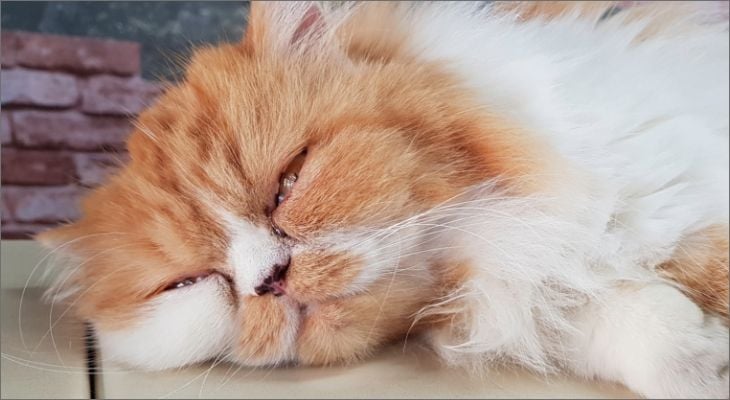
cat looking sick

Feline distemper or feline panleukopenia is a highly contagious viral disease of kittens and adult cats caused by the feline parvovirus. It is also called panleukopenia as it affects the bone marrow and causes low white blood cell counts. It is relatively common in unvaccinated cats and is often fatal, especially in young kittens. It has been referred to as Feline Distemper, but in fact, it is a different virus than canine distemper and causes different symptoms.

Early symptoms of feline distemper infection are lethargy and loss of appetite then rapid progression to severe, sometimes bloody diarrhea and vomiting. These signs are very similar to other diseases, some serious, some not so serious. Therefore, if any abnormal behaviors or signs of illness are observed, it is important to have your veterinarian examine your pet as soon as possible. A diagnosis of distemper is presumed if vomiting and diarrhea are present along with a low white blood cell count. A diagnosis of distemper is confirmed when the virus is detected in blood or feces.

Another syndrome associated with the feline distemper virus occurs when a susceptible pregnant cat or a newborn kitten is exposed. The kittens will have permanent damage to the cerebellum part of the brain and walk with an uncoordinated gait and an elevated tail. It may also affect the retinas of their eyes. They are otherwise alert and act normal.

Infection occurs when unvaccinated cats come in contact with the virus, which may be by contact with blood, urine, feces, nasal secretions, or even the fleas from an infected cat. The hands and clothing of people who handle infected cats can also spread the disease. Unfortunately, the virus is very resistant to environmental conditions and difficult to destroy; it can remain infective for years. Routine household disinfectants will not kill the virus, and a 1 to 30 dilution of bleach should be used to clean any appropriate surfaces.

There is no medication to kill the virus. Hospitalization with IV fluid therapy and antibiotics to prevent secondary infection are necessary to support the cat's health while its own body is fighting the infection. Not all will survive.

Preventing the infection through vaccination is better rather than treating an infected cat. Today's vaccines are very effective in helping your pet protect itself from infection. A series of kitten vaccinations followed by adult boosters stimulate the cat's immune system to produce protective antibodies. Should the cat come into contact with the virus, these same antibodies will help your cat successfully fight off the infection.

Consult with your veterinarian for advice on a vaccination schedule appropriate for your pet.

  • Pet Health
    • Chronic Conditions
    • Digestive and Oral Health
    • Diseases and Viruses
    • Pests and Parasites
    • Orthopedics
  • Today's Veterinarian
  • Choosing Your Pet
    • Finding Your Pet
    • Cats
    • Dogs
    • Exotics
      • Amphibians
      • Birds
      • Reptiles
        • Lizards
        • Turtles
    • Small Mammals
      • Ferrets
      • Rabbits
      • Domesticated Animals
        • Prairie Dogs
      • Pocket Pets
        • Chinchillas
        • Guinea Pigs
        • Hamsters
        • Hedgehogs
        • Rats
    • Livestock
      • Cows
      • Donkeys, Horses & Mules
      • Goats
      • Pigs
      • Poultry
      • Sheep
  • Living With Your Pet
    • Bringing Your Pet Home
    • Children and Pets
    • Providing Care
    • Travel
    • Saying Goodbye
  • Newsletter Library
    • Cats
    • Tips for Pet Owners
    • Behavior & Training
    • Fleas & Parasites
    • Keeping Pets Healthy
    • Recognizing Illness
    • Nutrition & Food
    • Pet Dangers
    • Seasonal Topics
    • Visiting the Vet
    • Equine
    • Newsletter Archive
      • Fun with Pets
      • Unbelievable Pets
  • Video Newsroom
    • Health Topics
    • Technology and Science
    • Other Interests
  • Newsletter Library
  • Client Survey
  • Pets4Kids

Contact Us

We look forward to hearing from you

Error!

    Featured Services

    • Contact Us

      Call or send us an email today! Our staff will respond as soon as possible.

      Contact
    • Online Pharmacy

      Visit our online pharmacy. Trust, convenience, and value!

      Learn More

    Office Hours

    Our Regular Schedule

    Monday:

    8:30 am-5:30 pm

    Tuesday:

    8:30 am-5:30 pm

    Wednesday:

    8:30 am-5:30 pm

    Thursday:

    8:30 am-5:30 pm

    Friday:

    8:30 am-5:30 pm

    Saturday:

    8:30 am-12:30 pm

    No Doctor's Hours on Saturdays

    Sunday:

    Closed

    Location

    We are centrally located between Feagin Mill Road and Hwy 96 on S. Houston Lake Road

    Testimonials

    Feedback from our clients

    • "Dr. Anderson has always gone above and beyond for the care of our family's pets for several years."
      John Doe / San Diego, CA
    • "Dr. Anderson has always gone above and beyond for the care of our family's pets for several years. We always feel questions are welcome, and Dr. Anderson spends whatever time is required to provide answers, whether we are in the office or just speaking on the telephone. Dr. Anderson always knows our pets’ special needs and personalities to provide them the best possible care."
      The Miller Family

    Featured Articles

    Helpful Reading

    • March Newsletter: How to Keep Your Cat Safe When Outdoors

      Wondering how your cat can safely spend time outdoors? ...

      Read More
    • March Newsletter: How to Choose Safe Blankets for Pets

      Do you know how to pick a safe blanket for your pet? ...

      Read More
    • February Newsletter: How to Reduce Dental Anxiety in Pets

      Does your pet hate toothbrushing? These tips could reduce dental anxiety. ...

      Read More

    Newsletter Sign Up

    Error!

      • Copyright © 2026 MH Sub I, LLC dba iMatrix.
      • Admin Log In
      • Site Map